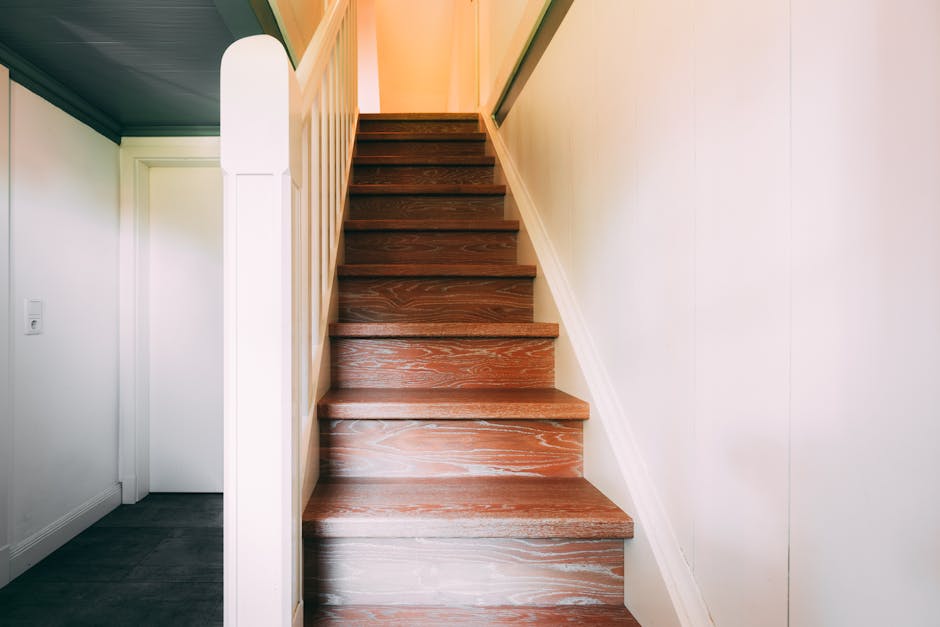
Lisson Grove Estate Removals: Tips for Tight Staircases
Moving in Lisson Grove can feel straightforward on paper, then suddenly you are stood at the bottom of a narrow stairwell wondering how on earth a wardrobe, sofa, or double mattress is meant to make the turn. That is exactly where Lisson Grove Estate Removals: Tips for Tight Staircases becomes more than a nice idea. It is the difference between a move that feels controlled and one that turns into a scratched wall, a strained back, and a very long afternoon.
Estate buildings in this part of London often have compact entrances, awkward landings, split-level stairs, and corners that do not forgive guesswork. The good news? With the right planning, the right equipment, and a bit of local know-how, tight staircase moves can be handled cleanly and safely. In this guide, we will walk through what matters, how the process works, what to avoid, and how to make the whole job calmer for everyone involved.
Whether you are moving a flat, clearing a property, or arranging a one-off heavy lift, this is the practical version. Not theory. Not fluff. Just the stuff that helps when the bannister is inches away and the clock is ticking.
Why Lisson Grove Estate Removals: Tips for Tight Staircases Matters
Tight staircases change the whole shape of a removal job. A normal house move is often about volume and timing. A stair-focused move is about geometry, control, and protection. One poor angle can mean a trapped sofa, a damaged wall, or an item that has to be carried back down and re-thought from scratch. To be fair, that is where a lot of the stress comes from: not the lifting itself, but the uncertainty.
In Lisson Grove, the issue is often not just "narrow stairs" in the abstract. It is the combination of period layouts, older estate blocks, basement levels, top-floor walk-ups, and tight turns that make larger items awkward. Even a modest fridge or a boxed bed frame can become a puzzle. And if the route includes communal hallways, shared entrances, or a busy street outside, you also need to think about timing and access, not just muscle.
This matters because poor handling can create knock-on problems. Walls get marked. Paint chips. Doors are scuffed. Neighbours get frustrated by a stairwell blocked for too long. People get tired, and tired people make mistakes. Simple really, but it catches people out all the time.
There is also a financial side. When an item is badly lifted or forced round a corner, repair costs can quickly outrun the move itself. So a little planning is not just convenient. It is sensible. In many cases, it is what keeps a move affordable and fairly civilised.
How Lisson Grove Estate Removals: Tips for Tight Staircases Works
Handling a move in a tight stairwell usually follows a predictable pattern, even if the building itself is anything but predictable. The process starts with assessment. Before anything moves, a good team checks stair width, landing size, ceiling height, bannister clearance, corner angles, and the size of the largest items. That first look often reveals whether an item can be carried normally, needs partial dismantling, or would be safer via an alternative route.
Next comes preparation. This is where the moving team decides what should be wrapped, removed, or separated. Drawers may come out. Legs may come off tables. Bed frames may be broken down. Sofas might be protected with blankets or wraps so they do not snag on a wall edge. If the building has narrow communal access, timing matters too. Nobody wants to be halfway up the stairs while someone else is trying to get past with shopping bags and a dog. It happens, though.
After that, the route is cleared and protected. Floor coverings, corner guards, and careful positioning all help reduce friction and prevent scratches. Then the actual carry begins, usually with one person guiding from the front, another controlling the rear, and clear verbal coordination throughout. On tight staircases, communication matters more than strength. A "pause", a "lift", and a "pivot" at the right moment can save a lot of trouble.
Sometimes the best route is not the obvious one. A piece may need to be turned vertically, slid through a landing, or temporarily angled with the help of lifting straps or furniture dollies. In tricky cases, a measured decision is made to dismantle more of the item than expected. That is not failure. That is good judgement.
Expert summary: Tight staircase removals are won before the lifting starts. Measure first, protect the route, break down bulky items where sensible, and keep communication clear. That is the whole game, really.
Key Benefits and Practical Advantages
There are some very real advantages to planning a removal properly when staircases are tight. The most obvious is protection. Good technique reduces the risk of damage to the property and to the furniture being moved. But there are a few other benefits people sometimes overlook.
- Less stress on moving day: When everyone understands the plan, the job feels more manageable.
- Faster progress: A measured move often saves time because there is less backtracking and fewer surprises.
- Lower risk of injury: Good lifting angles and teamwork matter more than brute force.
- Better handling of awkward items: Sofas, wardrobes, chest freezers, and headboards all behave differently on stairs.
- Reduced disruption to neighbours: Efficient stairwell use means less noise, less blocking, and fewer awkward encounters.
There is also peace of mind, which sounds soft until you need it. If you have ever tried to carry a wardrobe around a landing that feels two inches too small, you will know how quickly confidence can disappear. A structured approach keeps things steady. You can see the route, understand the sequence, and decide where the risk is. That clarity counts for a lot.
For customers comparing options, this is where removal services that understand stair access can be worth their weight in reduced hassle. It is not just about the van outside. It is the inside route that often decides whether the day goes smoothly.
Who This Is For and When It Makes Sense
This kind of move is relevant to a fairly wide group of people, not just those moving out of a classic flat. In practice, it helps anyone dealing with awkward internal access, especially where stairs are the main challenge.
You may need this if you are:
- moving into or out of a top-floor flat with a narrow stairwell
- handling a partial house move where large furniture has to pass through a compact staircase
- clearing a rental property with old-style communal access
- moving a single bulky item, such as a sofa, wardrobe, or mattress
- organising a downsizing move where the new place has limited internal space
- planning a last-minute move and need a team that can adapt quickly
It also makes sense when you are dealing with time pressure. Estate buildings often mean limited parking, shared access, and neighbour sensitivity. If you only have a short loading window, you want the lifting plan sorted before the first box is even touched. That is especially true if the item list includes anything awkward or sentimental. Nobody wants to discover, halfway through, that the favourite mirror is too wide for the turn.
For many people, a service like man with van removal is ideal for smaller or medium-sized moves where flexibility matters. For larger or more structured jobs, a broader removal company approach may be more appropriate. It depends on the load, the access, and how much help you want on the day.
Step-by-Step Guidance
Let us break this down in a way that is actually useful. If you are preparing for a move involving tight stairs, the sequence below will help you think like a pro.
1. Measure the problem before moving anything
Measure stair width, landing depth, door openings, and the largest items you need to move. If possible, note any awkward bannisters, radiators, light fittings, or low ceilings. A quick sketch on paper can be strangely helpful. Not glamorous, but useful.
2. Identify the items that are most likely to struggle
Some furniture is easy to underestimate. Wardrobes with fixed tops, sofa beds, king-size mattresses, large mirrors, and washing machines can all be more difficult than they look. Mark these as priority items so they are handled first, while everyone still has energy.
3. Decide what should be dismantled
Break down what can safely be taken apart. Remove legs, shelves, drawers, cushions, and loose fittings. The less bulk you ask to go round the stairwell, the better. Keep screws and fittings in labelled bags. You will thank yourself later, even if it is only a tiny little moment of gratitude.
4. Protect the route
Use covers, blankets, or edge protection on tight corners and vulnerable surfaces. Stair edges, painted walls, and bannisters are usually the first places to show wear. Protection is not overkill. It is insurance against silly damage.
5. Plan the order of removal
Take smaller items first if they clear the way, or move the largest item first if it is the most difficult to handle and needs the team at full strength. There is no universal rule here. Use judgement. A good mover will read the situation rather than follow a rigid formula.
6. Communicate on every lift
On staircases, silent lifting is a mistake. The team should agree on simple call-outs: stop, turn, lift, lower, pause. That keeps movements controlled and reduces the chance of knocking corners. One person should lead each carry. Too many voices gets messy fast.
7. Use the right carry angle
Some items go better upright, others tilted slightly. The aim is to keep the item balanced while giving the corners and banister the best possible clearance. If something starts to bind, do not force it. Back up, reset, and try again. A two-minute reset can save a twenty-minute problem.
8. Finish with a final walk-through
Once the move is complete, check the stair route, hallways, and doorway edges for any marks or missed items. If the building has shared areas, make sure everything is left tidy. That last little sweep matters more than people think.
Expert Tips for Better Results
After enough moves, a few patterns become obvious. The best results often come from small decisions made early, not dramatic heroics later on. Here are the practical tips that genuinely help.
- Use the staircase, but do not worship it: If the stairs are too tight, consider whether a balcony, window lift, or an alternative access point is possible and safe. Only if suitable, of course.
- Move heavy items in the coolest part of the day: Summer heat in a stairwell can make everything feel harder. Morning jobs often go smoother.
- Empty furniture before carrying it: A chest of drawers full of books is a very different beast from an empty one. Obvious, yes, but often ignored.
- Test the largest item first: If the sofa will not turn on the first landing, you want to know that before the whole day is invested in it.
- Keep children and pets out of the route: A busy stairwell is not the place for little distractions, charming as they are.
- Use blankets strategically: Not just for padding, but for helping items glide more cleanly around tight edges.
One practical habit that helps a lot is doing a "first item check". Carry the hardest piece early, while everybody is fresh. If it clears easily, great. If it does not, the whole strategy can be adjusted before the rest of the move slows down. Honest, that tiny decision can save a lot of drama.
If you are comparing support options, a broader man and van setup can work well for lighter loads, while home moves are better suited to fuller household relocations. The key is matching the service to the staircase reality, not just the item list.
Common Mistakes to Avoid
A lot of stair-related removal problems are avoidable. The frustrating part is that people usually only find this out after the scrape, the wobble, or the "hang on, we need to try that again" moment.
- Assuming the item will fit because it fit in the room: Rooms and staircases are different puzzles.
- Skipping measurements: Eyeballing it is fine for a bookshelf on a good day, not for a sofa on a tight landing.
- Forcing items round corners: If it binds, stop. Forcing tends to create damage or panic, sometimes both.
- Not clearing the route in advance: Loose shoes, mats, and small furniture create avoidable obstacles.
- Ignoring shared access etiquette: In estates, communal space matters. A blocked stairwell can annoy people very quickly.
- Leaving dismantling too late: If something must come apart, do that before the pressure builds.
- Using too many uncoordinated helpers: Helpful people are great. Too many instructions at once, less so.
There is also the classic mistake of not budgeting enough time. Tight staircase work almost always takes a bit longer than a straightforward ground-floor move. That does not mean the job is difficult; it just means the route requires patience. And patience, to be fair, is the cheapest tool on the list.
Tools, Resources and Recommendations
The right kit does not solve everything, but it makes a noticeable difference. For estate removals with narrow stairs, the tools often matter as much as the lifting technique.
| Tool or Resource | What It Helps With | Why It Matters |
|---|---|---|
| Furniture blankets | Protecting surfaces and reducing scratches | Useful for walls, bannisters, and bulky items with sharp edges |
| Removal straps | Improving grip and control | Helpful for awkward lifts and shared carries |
| Corner guards | Protecting painted corners | Especially useful on narrow turns and landings |
| Disassembly tools | Breaking down furniture safely | Can turn a problem item into a manageable one |
| Protective floor coverings | Preventing scuffs and dirt transfer | Good for communal hallways and polished floors |
| Clear labels and bags for fittings | Keeping dismantled pieces organised | Saves time when reassembly starts |
Beyond physical tools, the best resources are often simple: a clear inventory, photos of the staircase, and a realistic conversation about what can and cannot fit. A customer who sends a few phone photos of the stairwell, landing, and largest item will often get a much better plan than someone who just says, "It should be fine." That phrase is where many moving headaches begin.
If you need help with packing before the move, it is often worth looking at packing and unpacking services. For item collection or disposal of unwanted pieces before the main move, furniture pick up can be a sensible supporting option. The less clutter you have around the staircase, the better the whole operation tends to feel.
Law, Compliance, Standards, or Best Practice
For most domestic removals, the main concern is practical safety and responsible handling rather than heavy regulation. Even so, there are a few UK best-practice points worth respecting. Moving teams should work in a way that reduces risk to people, property, and the surrounding environment. That means safe lifting, sensible load handling, and a clean route that does not endanger residents or neighbours.
If the property is in a shared estate, common areas should be treated carefully. Hallways and stairwells are often communal spaces, so leaving them blocked, damaged, or dirty is poor practice and can create avoidable disputes. If you are moving furniture through a managed building, it is also wise to check any building-specific access rules, booking requirements, or loading arrangements in advance. Those may come from the landlord, management company, or residents' association rather than a universal rule.
Safety standards matter too. Professional movers generally follow internal health and safety procedures, use suitable lifting methods, and carry appropriate insurance for the work they do. If you are arranging a removal service, it is fair to ask how they handle risk, what happens if access is awkward, and whether they have experience with stair-heavy moves. That is not being difficult. That is just sensible.
For peace of mind, it is also reasonable to review a company's insurance and handling information before booking. You can usually do that through pages such as insurance and safety and health and safety policy. If the move involves payment, quotes, or service terms, it helps to understand the arrangements in advance too, especially for anything with tight timing or restricted access.
Options, Methods, or Comparison Table
Not every staircase move needs the same approach. The right method depends on item size, access width, urgency, and how much dismantling is possible. Here is a practical comparison that may help you decide what fits your situation.
| Method | Best For | Pros | Trade-Offs |
|---|---|---|---|
| Standard carry up/down stairs | Boxes, light furniture, manageable items | Quick, simple, usually cheapest | Not suitable for very bulky or fragile pieces |
| Partial dismantling | Wardrobes, bed frames, tables, some sofas | Improves fit, reduces snagging risk | Needs tools and time, fittings must be kept together |
| Two-person controlled carry | Heavy or awkward household items | Safer control around corners and landings | Requires coordination and space |
| Specialist access planning | Very tight staircases, estates with restricted access | Best for problem routes and larger loads | Can take more planning and may need extra time |
| Alternative access solution | Exceptional items or severe stair constraints | May avoid damage and repeated attempts | Only suitable in specific situations and must be assessed carefully |
In practice, many jobs use a mix of methods. A few boxes go the normal route. A sofa is tilted and wrapped. A bed frame is dismantled. That flexible approach is usually the smartest one. There is no prize for insisting everything must be done the hardest way possible, despite what some people seem to think on moving day.
Case Study or Real-World Example
Here is a realistic example from the kind of move people often face in Lisson Grove. A couple were leaving a first-floor estate flat with a narrow internal staircase, a tight turn at the landing, and a large three-seater sofa that had clearly been chosen before anyone seriously measured the route. The sofa was not absurdly oversized, but it was just awkward enough to cause concern.
Instead of forcing the move, the team started with a route check. They measured the landing, confirmed the stair width, removed cushions and feet, and wrapped the most vulnerable edges. They also cleared a small hall table that was in the way and protected the bannister corner. The sofa was then brought to the stairwell and tilted slightly so the long side followed the angle of the stairs rather than fighting it.
On the first attempt, it became clear the turn was too tight with the feet attached. So the team stopped, removed the feet, and tried again. That tiny adjustment made the difference. No drama. No damage. Just a slightly more patient approach and a much cleaner result. The move still took effort, of course. Tight stairs always do. But the job felt calm rather than chaotic, which is usually the best sign of all.
That is the main lesson here: the answer is not always more strength. Often it is a better plan, one more tool, or one extra minute spent thinking before lifting.
Practical Checklist
Use this checklist before the move starts. It is simple, but it covers the awkward bits people forget when the day gets busy.
- Measure stair width, landings, and door openings.
- Identify bulky or fragile items early.
- Remove feet, drawers, cushions, shelves, or handles where appropriate.
- Label screws and fittings in sealed bags.
- Protect walls, corners, floors, and bannisters.
- Confirm access times, parking, and any estate rules.
- Clear the staircase and nearby hallways.
- Agree simple call-outs for lifting and turning.
- Check whether a larger item needs two people or a different carry angle.
- Set aside a little extra time for the staircase itself.
- Review insurance and handling expectations if booking a professional team.
- Do a final sweep for damage, rubbish, or forgotten parts.
Practical tip: Keep one small bag or box for fittings, tape, and the first tools you will need at the other end. It saves that annoying moment where everybody is ready, but the screwdriver has gone missing. Happens more than you would think.
Conclusion
Lisson Grove estate moves with tight staircases are rarely about brute force. They are about preparation, route awareness, timing, and respect for the building you are working in. If you measure properly, protect the route, break down awkward furniture where possible, and keep communication clear, the move becomes much more manageable. Not easy in every case, but manageable. That is a big difference.
The best outcome is usually the quiet one: no wall marks, no strained shoulders, no argument at the landing, just a clean finish and a relieved exhale at the bottom of the stairs. That is what good planning buys you. And honestly, after a moving day like that, a cup of tea tastes a little better than usual.
Get a free quote today and see how much you can save.
Frequently Asked Questions
Can large furniture be moved safely on tight staircases in Lisson Grove?
Yes, often it can, but only if the item fits the route or can be dismantled enough to clear the turns. The key is to measure first and avoid forcing anything that clearly does not want to go.
What items are usually hardest to move on narrow estate stairs?
Sofas, wardrobes, beds, mattresses, washing machines, and large mirrors are common troublemakers. They are often heavier, wider, or more awkward than they first appear.
Should I dismantle furniture before a removal day?
Where safe and practical, yes. Removing legs, shelves, drawers, or bed slats can make a huge difference. Keep all screws and small fittings together in clearly labelled bags.
How do movers protect walls and bannisters on tight staircases?
They typically use blankets, covers, corner guards, and careful route planning. Protection matters most at bends, landings, and narrow pinch points where contact is most likely.
Is it better to move heavy items first or last?
It depends on the layout, but many teams prefer to tackle the hardest item early while energy and concentration are high. If the largest item will not fit, it is better to know that before the rest of the move is underway.
Do I need a special service for estate flats with narrow stairs?
Not always, but it helps to choose movers with experience in tight access. A standard move can work well for boxes and lighter furniture, while awkward items may need a more tailored approach.
How much extra time should I allow for staircase access?
There is no fixed number, because every staircase is different. The safest approach is to build in a cushion of time rather than planning the move too tightly.
What should I tell the removal team before moving day?
Share stair measurements, photos of the landing, a list of large items, any access restrictions, and any building rules that might affect timing or parking. The more they know, the better the plan.
What if an item gets stuck halfway on the stairs?
Stop, keep calm, and reset the angle. Do not force it. Usually the solution is to back out slightly, re-tilt, remove a fitting, or change the carry method.
Are there UK safety or building rules I need to think about?
For most domestic moves, the main expectation is safe handling and respect for communal spaces. If the building has its own access rules or booking requirements, follow those. It is also sensible to check the mover's insurance and safety procedures.
Can I move everything through the staircase if the flat is on a high floor?
Not always. Some items may be too large or too awkward for the route. In those cases, dismantling or an alternative access option may be needed, but only if it is safe and suitable.
What is the most common mistake people make with tight staircase removals?
Underestimating the route. People often focus on the item and forget the turn, landing, or bannister. In truth, the staircase is usually the real challenge, not the sofa itself.
Where can I learn more about booking and service details?
It helps to review service pages, pricing information, and safety details before arranging a move. That way you know what to expect, what is included, and how the team handles access issues.