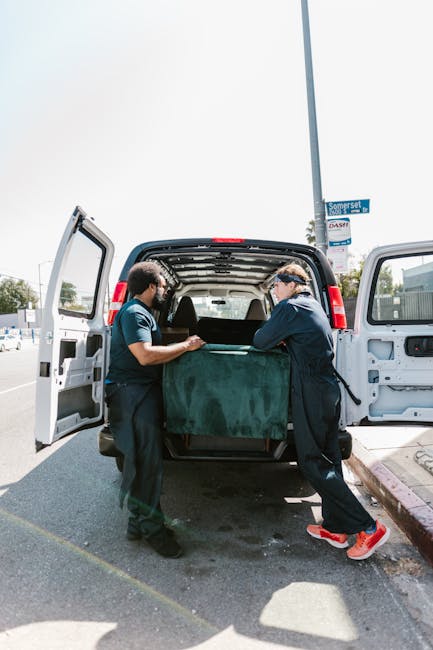
Man With Van in Lisson Grove

Our man with van service in Lisson Grove is set up for straightforward local moves, single-item transport and practical loading help when you need a smaller removal solution. It suits customers who want careful handling without the scale of a full lorry-based move. We can support household, student and light commercial transport, with clear planning around access, timing and the items being moved so the work stays organised from the start.
Typical jobs include furniture collections, flat moves, office items, boxes, bagged contents and awkward pieces that need secure lifting rather than simply being carried by one person. The service is flexible enough for short-notice transport and planned moves alike, while still remaining focused on the basics that matter: safe loading, sensible stacking and reliable delivery to the destination. If you need a measured approach for a smaller move, this is a practical option.
For a quotation, send the key details of what needs moving, where it is going and any access points that may affect the work. Keep the request simple and specific, then compare the options that suit your schedule. You can also use our pricing and quotes page to understand how estimates are prepared before you decide how to proceed.
Household moving support
House moves with a van are often the best fit when the contents are modest, the route is local or the loading can be handled efficiently with one vehicle. We can move mixed household items such as beds, tables, chairs, wardrobes, white goods and packed boxes, with care taken over sizing so the vehicle space is used sensibly. The aim is to keep the move compact, manageable and less disruptive than a larger removal arrangement.
Our home moves page covers the broader residential side of the service, while the practical reality is that many homes only need a smaller, well-coordinated vehicle and loading plan. That is where a man with van setup can be especially useful: it gives you enough capacity for a proper move without the overheads of unnecessary scale. We can also help where a property contains only selected furniture or a few rooms’ worth of belongings.
Useful preparation keeps the move smoother. A short inventory, access notes, floor level details and any information about bulky items all help the quote reflect the work more accurately. If you are moving from a flat, maisonette or property with limited parking, it is sensible to mention that early. After that, keep the enquiry focused and ask for a clear written price so you can compare like with like.
Furniture collection and single-item transport

Some customers only need one item moved, but that item may still need careful lifting, padding and secure placement. Our furniture collection and transport work is suited to sofas, cabinets, desks, beds, wardrobes and similar pieces that are too large for a normal car or too valuable to risk with an improvised solution. We can also assist with purchases, gifted items and practical transfers between addresses.
For this kind of job, good packing and protection matter more than volume. Protective materials, straps and correct positioning inside the van help reduce movement during transit, while sensible handling protects both the item and surrounding property. The service is designed to be adaptable: one job may be a quick collection from a shop or storage point, while another may involve moving a large item through a tighter residential entrance. If you want to see the wider service area, the furniture pick-up page is a useful place to start.
There are a few simple details that help with a quotation and with planning on the day. Measurements of large items, notes about dismantling, and information about stairs or narrow access can all affect the amount of handling required. If the item is fragile, heavy or unusual in shape, say so plainly. That lets the move be arranged with the right load order, the right vehicle space and the right level of care.
Packing, loading and careful handling
A smaller removal still benefits from organised packing. Boxes that are evenly filled, sealed properly and labelled clearly are easier to stack and less likely to shift in transit. Soft items can be grouped together, while heavier contents should be packed so they can sit securely without crushing lighter belongings. This is especially helpful when the move involves mixed household goods rather than a few large pieces alone.
We can support packing and unpacking services alongside the transport itself where that is helpful to the job. The point is not to overcomplicate the move, but to make the handling more efficient and the arrival process easier. A van-based service works best when items are prepared in a way that protects fragile possessions and makes loading logical. That can reduce wasted space and help the move proceed in an orderly sequence.
One quotation tip is to separate what is being moved from what is not. It sounds obvious, but it prevents confusion when you are arranging a smaller job that may include some items from storage, a few pieces from a flat and several boxes from another room. If you can list the main categories clearly, the estimate can be based on the actual work rather than assumptions. That keeps the conversation practical and avoids unnecessary revisions later.
Commercial and office removals
Not every van job is residential. Small business moves, desk transfers and light office relocations can often be handled more efficiently with a man with van format than with a larger removal fleet. This is useful when the load includes workstations, office chairs, storage units, archived boxes or mixed equipment that needs to arrive in usable condition. The service can be scaled to suit a compact office, a department move or selected items leaving a premises.
Our commercial moves and office removals pages give a clearer picture of the business side of the work. The practical tasks remain the same: list the items, identify the access points, note whether anything needs dismantling and make sure the loading plan fits the timetable. Businesses often need movement arranged around opening hours or staged departures, and a smaller vehicle can help keep the process precise without making it more complicated than necessary.
If you are arranging a workplace move, it helps to decide whether the job is a straight transport task or whether it also needs loading support at one or both ends. Mentioning computer equipment, filing cabinets or heavy desks early makes it easier to judge handling requirements. Clear information at the outset gives a more reliable quote and makes the eventual move easier to coordinate.
Service options and vehicle choice

A van-based removal can serve different purposes depending on the quantity, fragility and destination of the items. Some customers need a direct move with one vehicle and careful stacking; others need a collection and delivery that includes a short wait, multiple stopping points or help with heavier objects. Choosing the right vehicle and service pattern matters because it affects loading efficiency, number of trips and the amount of care needed during transit.
The wider range of related pages can help you decide what kind of move is most appropriate. For example, our removal services page sets out the broader moving offer, while removals gives a general overview of the work we handle. Where the load is especially compact, a simple man with van arrangement is often enough. Where the move is larger or more complex, it may be worth reviewing related service pages before asking for a final estimate.
- Choose a smaller van move for compact household loads or single collections.
- Choose a fuller removal arrangement if the inventory is larger and needs more handling.
- Choose a transport-only booking if packing is already complete.
- Choose a combined loading and transport job if heavy lifting is still required.
About Lisson Grove
Lisson Grove is a district in the City of Westminster, in the north-western part of central London, and it forms part of the broader Marylebone area. The name is closely associated with Lisson Grove itself, an historic road that links the district with surrounding streets and neighbourhoods shaped by 19th-century urban development. The area sits near the boundary between inner residential streets and some of the capital’s busiest routes, so it has long had a practical, mixed character rather than that of a single-purpose quarter. Much of its built environment reflects London’s layered pattern of growth, with terraces, mansion blocks, local shops and later infill standing alongside older street layouts. The district is also near Regent’s Park, which gives nearby residents access to one of London’s best-known open spaces, while the surrounding network of roads connects easily towards Marylebone, St John’s Wood and Edgware Road. That position has helped shape the local atmosphere: busy enough to feel urban and connected, but still defined by its residential streets and everyday local life. Cultural life in the wider Marylebone and Westminster setting includes galleries, theatres, museums and long-established civic institutions, and the area benefits from that central London mixture of housing, transport and public space. Lisson Grove therefore reads as part of a larger historic city fabric rather than an isolated neighbourhood, with its identity rooted in geography, transport links and the changing uses of the land over time.
Planning a move without unnecessary complication
Smaller removals work best when the task is broken down into practical steps. First decide what is actually moving, then consider whether any items need dismantling, and finally think about access at each end. That approach keeps the job grounded in the physical realities of the move rather than in vague assumptions about space or timing. For many customers, the benefit of a man with van service is that it stays focused on the essentials and avoids unnecessary overheads.
Our house removals and house movers pages show the wider residential framework around this kind of work. Even when the move is small, the same attention to detail applies: protect corners, stack sensibly, and make sure delicate items are not buried beneath heavier ones. If the job involves more than one address, say so at the quotation stage so the route and handling time can be considered properly. That keeps the estimate realistic and the day easier to manage.
It can also help to think about whether any part of the move is time-sensitive, such as a collection from a seller, an end-of-tenancy handover or a narrow delivery window. While not every arrangement needs elaborate planning, a good quote depends on knowing the basics. If you want to keep things simple, send the item list and a short note about access. If you want to talk it through first, begin with a clear outline and then request a quotation when you are ready.
Transport for local collections and practical deliveries

Van transport is often the right solution for items bought locally, collected from storage or delivered between private addresses. The advantage is that the load can be handled directly, without relying on courier-style assumptions that may not suit larger objects. When the job involves furniture, boxed contents or mixed household pieces, a removal-style van gives more control over stacking and movement during the journey.
If you are comparing related options, moving van and removal van describe the vehicle-led side of the service, while moving truck points towards larger capacity where that is needed. The correct choice depends on what is being moved and how much room the items require once padding and safe spacing are taken into account. A useful quotation is one that reflects the actual load rather than the rough guess of what might fit.
When preparing a transport request, note whether the destination has restricted access, whether parking is difficult and whether the items need to be carried any distance from the vehicle. These facts matter because they affect how the move is organised. If the load is light but awkward, it may still need more handling than a simple box move. If the load is small but valuable, protection and positioning become the main priorities.
Removal choices for different property sizes
Not every home or business needs the same moving format. Some jobs are best handled with a single van and one driver-assistant team, while others benefit from a broader removal setup. The difference usually comes down to volume, access, fragility and whether the job includes dismantling or reassembly. A smaller service can be ideal for studio flats, partial household moves or selected furniture transfers, but it remains important to match the service to the actual inventory.
For customers who want to compare different removal styles, the pages for man with van removals, removal company and removal companies may be useful. Those pages sit alongside the practical service pages and can help you decide whether the job needs a straightforward vehicle-and-loading arrangement or something broader. The main aim is to avoid paying for more capacity than needed while still keeping the move properly supported.
As with any estimate, the most useful input is accurate information. A short list of large furniture, the number of boxes, any stairs, and any storage stops all matter more than a general statement that the move is “not muchâ€. Even a compact move can involve careful planning if there are valuable items, tight access points or a deadline to meet. Keep the brief concise, then ask for the most suitable option from there.
More than just the vehicle

A good man with van service is not only about capacity; it is also about judgement. Knowing how to load a van so the contents remain stable, how to place heavier items, and how to keep fragile pieces separated can make a practical difference. The service is therefore useful for customers who want a transport solution with hands-on handling rather than a simple point-to-point lift. That is especially relevant when the contents include a mix of shapes, weights and finishes.
Related pages such as removals van, man with van and man and van reflect the same core service from slightly different angles. When you are deciding what to book, the key question is whether the job is really about moving goods safely and efficiently, or whether it requires additional support such as packing or commercial coordination. If the answer is the former, a smaller van-based arrangement can be an efficient choice.
To move forward, keep the next step simple: identify the items, check the route, and ask for a quotation that reflects the actual work. If you already know the load is modest, you do not need to overstate it. If it is slightly more involved, mention that plainly. Then make your request and let the details guide the most suitable arrangement, whether the job is a one-off collection or a planned local move.