Moving on Marylebone High St? Local Removals Checklist
Posted on 22/05/2026
Moving in and around Marylebone High St can feel surprisingly fiddly. It is central, busy, elegant, and a little unforgiving if you turn up unprepared. Between tight streets, loading restrictions, stairs in period buildings, and the usual last-minute chaos that appears out of nowhere, a local move here needs more than a box-ticking exercise. This guide gives you a practical Moving on Marylebone High St? Local Removals Checklist that helps you plan well, avoid stress, and keep the day moving smoothly.
Whether you are leaving a flat above a shop, settling into a mansion block, or moving a family home nearby, the difference between a difficult move and a manageable one often comes down to preparation. A good checklist saves time, protects furniture, reduces risk, and makes it easier to choose the right support. And, truth be told, it saves your nerves too.
Below, you will find a step-by-step local removals checklist, realistic advice for Marylebone conditions, practical comparisons, and a few useful internal resources if you want to go deeper into packing, lifting, cleaning, storage, or specialist items.
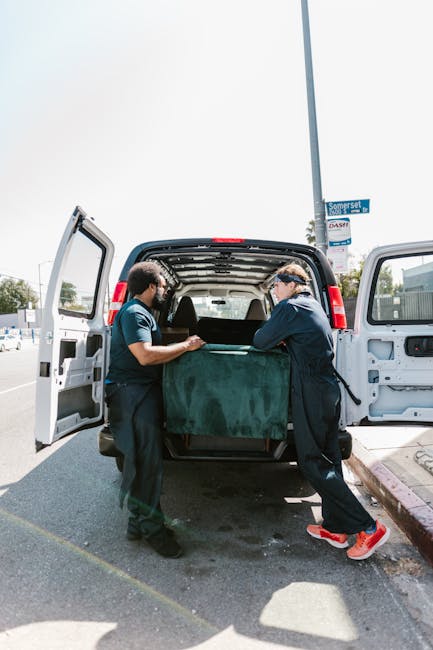
Why Moving on Marylebone High St? Local Removals Checklist Matters
Marylebone High St sits in one of London's most active, space-conscious neighbourhoods. That matters because local moving is never just about transporting boxes from A to B. It is about timing the load-in, checking access, protecting property, and making sure the route, vehicle, and equipment all match the realities of the street. A removals checklist gives shape to all of that.
Without a plan, the small things snowball. A van arrives but cannot stop easily. A sofa is too wide for the stairwell. Packing materials run out halfway through. The freezer is still full. The keys are not where anyone thought they were. None of these problems is dramatic on its own, but together they can turn moving day into a long, expensive headache.
A local checklist also helps you think like a mover, not just a resident. That means considering the building, the neighbours, the loading point, lift access, parking rules, and how long each item realistically takes to move. If you want a broader stress-reduction approach as well, our guide on navigating a house move with less stress is a good companion read.
For many households, Marylebone moves involve flats, terraces, conversions, or mixed-use buildings. In those settings, moving well is mostly about reducing friction. The checklist is what keeps the day orderly. Not glamorous, but very effective.
How Moving on Marylebone High St? Local Removals Checklist Works
The checklist works by breaking a move into manageable stages. Instead of trying to remember every task on the day, you handle the move in layers: planning, packing, access, loading, transport, and set-up. Simple idea, really. Very powerful in practice.
Here is the basic logic:
- Before move day: reduce what you are taking, organise supplies, confirm timings, and measure awkward items.
- In the final week: pack room by room, label clearly, arrange utilities, and protect fragile or bulky items.
- On the day: keep pathways clear, manage access, supervise loading, and do a final sweep of each room.
- After arrival: check for damage, place furniture where it belongs, and deal with essentials first.
The checklist also helps you decide what kind of help you need. Some moves are fine with a small van and a couple of careful hands. Others need full house removals, extra manpower, storage, or specialist lifting. If that sounds familiar, the service pages for house removals, flat removals, and furniture removals give a useful overview of the kinds of support typically involved.
There is also a practical split between what you can do yourself and what is wiser to hand over. Packing books? Fine. Shifting a tight-cornered wardrobe down a narrow staircase? That is where experience tends to pay for itself.
Key Benefits and Practical Advantages
A good local removals checklist does more than make you feel organised. It improves the actual move in concrete ways.
- Less wasted time: boxes are ready, access is confirmed, and nobody is hunting for tape at 7:30 a.m.
- Lower risk of damage: proper wrapping, lifting, and loading reduces scraped walls and broken items.
- Better cost control: efficient packing and planning can reduce the hours or repeat trips needed.
- More confidence: when you know what comes next, the whole day feels less chaotic.
- Cleaner handover: a checklist helps with end-of-tenancy cleaning and final room checks.
There is also a quieter benefit people often overlook: the checklist helps everyone involved work from the same plan. If family members, flatmates, or movers are all guessing, the day gets muddy. If everyone is working from the same sequence, the move feels calmer. A bit boring, perhaps. But very effective.
For packing methods that keep things orderly, our article on packing with confidence for an orderly move is particularly useful. And if you are facing a bigger clear-out first, these decluttering tactics can reduce volume before you even start boxing things up.
Who This Is For and When It Makes Sense
This checklist is for anyone moving in or near Marylebone High St who wants fewer surprises. That includes:
- tenants moving into or out of flats
- homeowners relocating within central London
- students with compact loads and tight deadlines
- small businesses or offices shifting locally
- people with bulky furniture, fragile items, or storage needs
- anyone who simply does not want moving day to become a circus
It makes particular sense if your property has awkward access, a shared entrance, lift restrictions, restricted parking, or multiple flights of stairs. Marylebone is full of lovely buildings that look manageable from the outside and then politely refuse to cooperate once you start moving a wardrobe through them. One minute you are confident; the next, you are measuring a bannister with a tape measure and thinking, well, that is interesting.
Students and short-term renters often benefit from a lighter version of the checklist. If that is your situation, the page for student removals is a handy reference point. For businesses, office removals usually require extra coordination around equipment, files, and timing.
And if your move is last-minute, the checklist still helps. It just needs to be compressed and prioritised. Not ideal, but definitely workable.
Step-by-Step Guidance
Below is a sensible order for handling a local move on Marylebone High St. You do not need to do everything in one sitting. In fact, please do not. That is how people end up staring at one half-packed kitchen at 11 p.m. with no labels and a roll of tape stuck to their sleeve.
1. Confirm your moving date and access details
Start with the basics. Check your move date, keys, building access, lift booking rules, and any parking or loading constraints. If your building manager needs notice, give it. If the new place requires a time window, write it down.
2. Declutter before you pack
There is no prize for moving things you no longer use. Decluttering first cuts packing time and makes unloading easier at the other end. It also helps you avoid paying to transport items you were going to donate, recycle, or store anyway. For deeper advice, see innovative decluttering tactics for a smoother move.
3. Order packing supplies early
Get boxes, tape, labels, paper, bubble wrap, furniture covers, and marker pens well before the packing rush begins. If you are not sure what quantity you need, it is better to slightly overestimate than to discover you are short when the kitchen is half done. The dedicated page on packing supplies and boxes is useful if you want a practical starting point.
4. Pack room by room
Pack one space at a time and label each box with both the room and a simple contents note. That is the difference between opening a box that says "kitchen - mugs" and one that says "miscellaneous" and somehow contains a phone charger, a corkscrew, and a winter scarf. Keep essential items separate: kettle, charger, toiletries, basic tools, documents, and a change of clothes.
5. Prepare large and awkward items early
Take apart beds, remove shelves if needed, and protect large furniture with covers or blankets. Specialist items need extra care. If you have a sofa, check whether it should be wrapped or stored safely; our guide on sofa preservation and long-term storage explains the basics clearly. For beds and mattresses, there is also a useful breakdown in these bed and mattress moving tips.
6. Sort storage, disposal, and recycling
If some belongings are not going straight to the new place, decide in advance where they are going. Storage can be a good bridge if dates do not line up or if you are waiting on furnishing the new property. A local storage solution can make the transition far less stressful. If you are disposing of items, consider reuse and recycling first where practical.
7. Confirm the move with your removal team
Share access notes, floor level, parking instructions, item list, and any fragile or heavy pieces. The better the briefing, the smoother the day. If you want to compare service options, the main services overview page gives a broad view of what is typically available.
8. Do a final sweep on moving day
Check cupboards, loft spaces, drawers, behind doors, and under beds. People forget astonishing things. You can be standing in an empty room and still find a passport in a cereal box, which is not ideal, obviously.
Expert Tips for Better Results
These are the small, practical habits that make a move on Marylebone High St noticeably easier. They are not flashy. They just work.
- Measure everything that matters: door widths, stair turns, lift dimensions, and the longest piece of furniture.
- Keep a "first night" bag: charge cables, meds, keys, toiletries, a towel, and whatever helps you function the next morning.
- Take photos before disassembly: cables, fittings, shelving layouts, and appliance connections are easier to restore later.
- Use colour coding if the move is bigger: one colour per room can save a lot of guesswork during unloading.
- Stack boxes by weight, not by luck: heavy items low, lighter items on top. Obvious, yes. Still worth saying.
One of the biggest quality-of-life improvements is to protect your back and shoulders. Don't just muscle through. Good lifting technique matters, especially in buildings where turns and narrow landings make every movement a bit more awkward. Our articles on kinetic lifting and solo heavy lifting techniques are worth a look if you want a safer, more controlled approach.
If your move involves a piano, do not improvise. Really. The combination of weight, fragility, awkward balance, and stair geometry makes it a specialist task. See why DIY piano moving is not safe before you make a decision there.
And a slightly old-school tip: keep a pen in your pocket on moving day. Not in a box. In your pocket. You will need it, and oddly enough it is usually missing when you need it most.

Common Mistakes to Avoid
Most moving problems are avoidable. They come from rushing, underestimating, or assuming a detail will sort itself out. It rarely does.
- Leaving packing until the final 24 hours: this creates poor labelling, weak box structure, and unnecessary stress.
- Ignoring access restrictions: Marylebone streets and buildings can be unforgiving if you do not plan loading and parking carefully.
- Overfilling boxes: one extremely heavy box is harder to carry and more likely to fail at the base.
- Failing to protect floors and walls: especially important in rented homes or period properties.
- Not setting aside essentials: the kettle, phone charger, and documents should never disappear into random boxes.
- Forgetting cleaning and handover tasks: a move is not really finished until the old property is properly checked.
Move-out cleaning is one of those jobs people think they can "just do quickly" at the end. Then they are wiping skirting boards at dusk while a van is waiting outside. Our guide to move-out cleaning explains why it pays to plan this earlier.
Another common mistake is assuming every item can be treated the same way. It cannot. A stack of books, a mattress, a freezer, and a framed mirror all need different handling. The sensible move is to think in categories, not in chaos.
Tools, Resources and Recommendations
It helps to have the right kit in place before the packing starts. You do not need a warehouse of equipment. You just need the essentials and a bit of structure.
| Tool or Resource | Why It Helps | Best Use |
|---|---|---|
| Double-walled boxes | Better strength for heavier or fragile contents | Books, kitchenware, mixed household items |
| Furniture covers and blankets | Protects surfaces during loading and transport | Sofas, tables, wardrobes, headboards |
| Labels and marker pens | Keeps rooms and contents easy to identify | Every box, every time |
| Tape measure | Prevents nasty surprises with access or furniture fit | Stairs, lifts, doorways, large items |
| Moving trolley or sack barrow | Reduces strain and speeds up the load | Boxes, appliances, bulkier items |
| Storage option | Helps when move-out and move-in dates do not line up | Short gaps, renovations, downsizing |
If you want a broader sense of how a removals team may support different kinds of moves, it may help to look at man with a van services, man and van options, or a dedicated removal van for more substantial loads. For larger or more structured moves, the page on removal services is a sensible place to compare what is available.
And for pricing questions, it is always better to ask early rather than guess. The pricing and quotes page is there for exactly that reason.
Law, Compliance, Standards, or Best Practice
For a local move, there are a few practical standards and responsibilities worth keeping in mind. This is not legal advice, but it is sensible housekeeping.
- Parking and loading: always check local restrictions and building rules before a vehicle arrives. In central London, a missed loading detail can cost time quickly.
- Building access: some properties require advance notice for lifts, concierge access, or loading bay bookings.
- Insurance and care: ask what cover is in place for transit and handling, especially for high-value or fragile items.
- Health and safety: safe lifting, clear pathways, and sensible team coordination matter on stairs, landings, and shared entrances.
- Data and privacy: if you are moving an office, keep client or staff paperwork secure and avoid leaving documents exposed.
If you are comparing providers, it can help to review a company's insurance and safety information, plus its health and safety policy. For broader trust signals, pages such as about us, terms and conditions, and payment and security are useful when you want to know how things are handled before booking.
Best practice is not complicated. Communicate clearly, measure twice, lift carefully, and keep the day predictable. That is usually enough to avoid the worst moving-day dramas.
Options, Methods, or Comparison Table
Not every Marylebone move needs the same setup. A quick comparison helps you choose the most suitable approach.
| Method | Best For | Strengths | Watch Outs |
|---|---|---|---|
| DIY move | Very small loads, short distances | Lower upfront cost, full control | Time-consuming, more physical strain, easy to underestimate access issues |
| Man and van | Flats, student moves, partial loads | Flexible, practical, often efficient for local jobs | May need extra planning for bulky items or multiple trips |
| Full removals service | Family homes, larger flats, complex access | More support, better coordination, reduced manual workload | Usually higher cost, needs more advance planning |
| Storage-assisted move | Delayed completion, downsizing, refurbishments | Flexible timing, less pressure on move-in day | Requires clear labelling and a retrieval plan |
If you are unsure which route suits your situation, a hybrid approach is often the best answer. For example, you might pack yourself, use removals support for furniture only, and keep a few essentials in storage while you settle in. Not elegant, maybe, but it gets the job done.
Case Study or Real-World Example
Consider a typical Marylebone move: a couple leaving a second-floor flat above a quiet commercial unit, moving a short distance west. The property has a narrow stairwell, no lift, and limited waiting space outside. Nothing impossible, but definitely the sort of move that punishes sloppy planning.
In this kind of move, a checklist changes the day in practical ways. The couple measures the sofa and dining table in advance. One wardrobe is dismantled. Fragile kitchen items are packed separately and labelled clearly. A storage box is set aside for books and seasonal items that are not needed immediately. The movers are told exactly where to park and which items need extra care. The mattress is wrapped, the freezer is emptied ahead of time, and the final clean is done the evening before rather than at the last minute.
The result is not magical. It is just organised. Fewer delays, fewer questions, fewer chances to damage walls or waste time. The couple still feels tired at the end, of course. Moving is moving. But they are not panicking, and that makes a real difference.
If your move is similar, the same principles apply: measure early, declutter first, pack methodically, and keep specialist items separate. That is the steady, realistic way through it.
Practical Checklist
Use this checklist as a final pre-move reference. Adjust it to fit your property and the size of your move.
- Confirm move date, time, and key collection arrangements
- Check parking, loading, and access rules at both addresses
- Measure doorways, stair turns, lifts, and large furniture pieces
- Declutter and sort donations, recycling, and storage items
- Order boxes, tape, labels, and protective packing materials
- Pack room by room and label every box clearly
- Keep essentials, documents, and chargers in one separate bag
- Disassemble beds or large furniture where needed
- Wrap fragile items and protect sofas, mirrors, and mattresses
- Empty and clean appliances in advance, including the freezer if needed
- Arrange cleaning for the old property
- Notify utility providers and relevant contacts of your new address
- Prepare payment details, ID, and booking confirmations
- Walk through each room before leaving the property
- Check the new property for damage or missing items on arrival
Expert summary: the best Marylebone move is rarely the fastest one on paper; it is the one that has clear access, tidy packing, realistic lifting, and no forgotten essentials. Keep it simple, keep it calm, and do the obvious things well.
Conclusion
Moving on Marylebone High St is very doable when you treat it like a local project rather than a general life admin task. The street context matters. The building access matters. The packing order matters. And a properly thought-out removals checklist makes all of those moving parts much easier to manage.
From decluttering and packing to parking, lifting, cleaning, and storage, the goal is not perfection. The goal is control. A little structure at the start saves a lot of frustration later on. In a busy part of London, that really counts.
If you are comparing support options, planning a smaller flat move, or trying to work out what service level fits your situation, explore the linked guides and service pages above. They will help you make a practical decision without overcomplicating it.
Get a free quote today and see how much you can save.
And if nothing else, remember this: a calm move is not an accident. It is built, one sensible step at a time.